
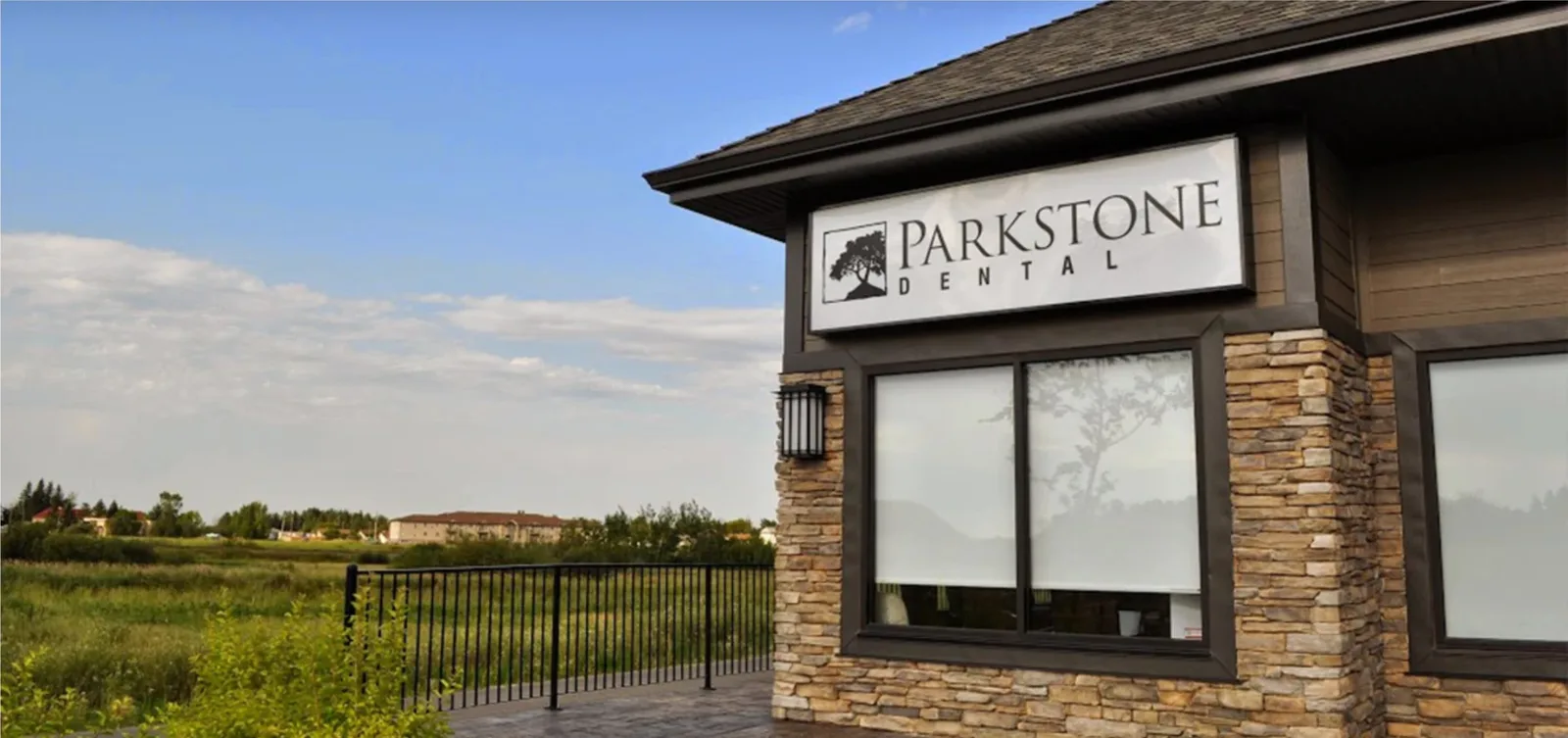
Parkstone Dental
How a 5-clinic dental group cut payroll admin time in half and moved 80 staff onto Fairly in 4 weeks.
The Parkstone Group
The Challenge
Parkstone runs 5 dental offices with about 80 team members and 9 doctors. Hours were tracked electronically, but every pay run still meant re-keying them into a separate payroll system. That took about 7 hours every two weeks. Staff who worked at more than one office couldn’t log in to see all their pay stubs.
The Results
Hours now flow straight from clock-in to payroll. Parkstone saves 3.5 hours every pay run, cutting payroll admin time in half. All 5 offices were live within 4 weeks of a one-office test. About 60% of the team now checks their pay stubs, up from about 10%.
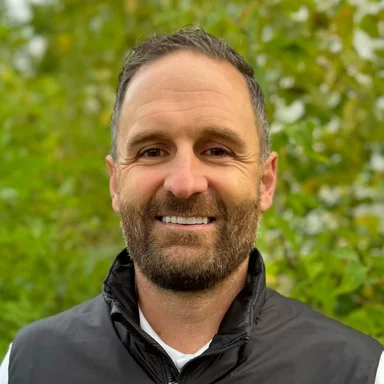
"This is a platform that will work. If properly rolled out, you’re going to get the right information into the team members’ hands in a way they’re going to like. Your clean data is going to increase a lot."
Director and CEO, Parkstone
Before Fairly: Hours Tracked Twice
Parkstone grew fast. Two founding doctors opened Parkstone Dental Tofield and Parkstone Dental Sherwood Park. The group then acquired Wye Dental in Sherwood Park, Green Grove Dental in St. Albert, and most recently Ace Dental Studio in south Edmonton.
Brad Prince joined in early 2019 and took over operations, including payroll. At first, hours came in on paper and scans by email. A standard pay run took about 7 hours. A complex one, with a stat holiday, a Record of Employment, or several onboards and exits, added another 3 to 4.
Brad moved the team to electronic clock-in at the front desk. That removed the paper. But the hours still had to be keyed into the payroll system by hand.
A year and a half ago, Parkstone hired an internal accountant. The manual entry stayed. Payroll still took about 7 hours every cycle.
The old system had a second problem. It couldn’t handle staff who worked at more than one office. Those team members ended up with separate accounts they couldn’t access together. Logins were clunky for everyone else too. Brad estimates only about 10% of the team ever looked at their pay stubs.
Why They Switched
Brad knew payroll was a drain. It just wasn’t urgent enough to go shopping. “I kind of knew what we needed, but not enough pain to go out looking,” he said.
Parkstone was already using Fairly to book RDH temps. When Brad learned Fairly also runs payroll for a clinic’s own staff, it was exactly what he wanted:
- A modern app for the team
- An easy pay stub portal
- Tracked hours that load straight into payroll
He was already working with a platform he trusted. The timing was right.
Making the Switch
“Payroll is so important that we get this right,” Brad said. “We want pay to arrive correctly every single pay.”
So Parkstone tested first. They ran a dry run at the Tofield office. Fairly laid out exactly what data was needed. Brad and the accountant pulled it together, and the data transferred.
The test answered every question. Kiosk mode for clock-in and clock-out. The team app. Hours and breaks tracked in one place. Clean, readable data flowing straight into payroll.
With that confidence, Parkstone rolled out to all 5 offices within the next two payroll cycles. That’s 4 weeks.
How It Runs Across 5 Offices
Each office has a point person, usually the office manager or office lead. They have their own dashboard login and see hours build up for their office only. They fix small issues at the office level.
The accountant uses the same data to confirm hours are clean and run payroll. Brad uses it to track efficiency across the group.
“When that all bubbles up to the corporate level every two weeks, it’s manageable and straight,” Brad said.
The Results
Key Improvements
- Payroll admin time cut in half, saving 3.5 hours every cycle
- All 5 offices live within 4 weeks of a one-office test
- Virtually zero manual data entry between time tracking and payroll
- Staff who work at more than one office see all their pay stubs in one app
- About 60% of the team now checks their pay stubs, up from about 10%
- Office managers see their own office; leadership sees the whole group
For Brad, the pay stub numbers matter as much as the hours saved. Team members can open the app on a normal Tuesday and see their hours so far, their breaks, and last month’s pay. When people check their stubs, they catch mistakes early.
“Stress in your job comes from a hundred little things,” Brad said. “If we can take a couple of those off for the team member, that matters.”
“This system gives us clear visibility into every one of our locations. Each office manager gets access to their own clinic, and at the director level we can see across all of them. When it comes to payroll processing, the information is all in the same spot when you need it, automatically loaded. Virtually zero extra data entry.”
Brad Prince, Director and CEO, Parkstone
The Bigger Lesson
Multi-clinic groups outgrow tools built for one office. Staff move between locations. Managers need their own view. Leadership needs the full picture. And every extra login or manual step adds up across 80 people.
Brad’s advice isn’t just for groups. “If you’re still tracking your hours with paper, there’s so many possible leakages there,” he said. Paper hours stay locked on paper. Clean electronic data opens the door to real analysis: staffing levels, hours by office, efficiency over time. That analysis helps clinics run better operations and, ultimately, become more profitable.
Parkstone started with Fairly for hygiene temps and found the same platform could run payroll for its whole team. Fairly Payroll handles one office or many, with the right access at every level.